
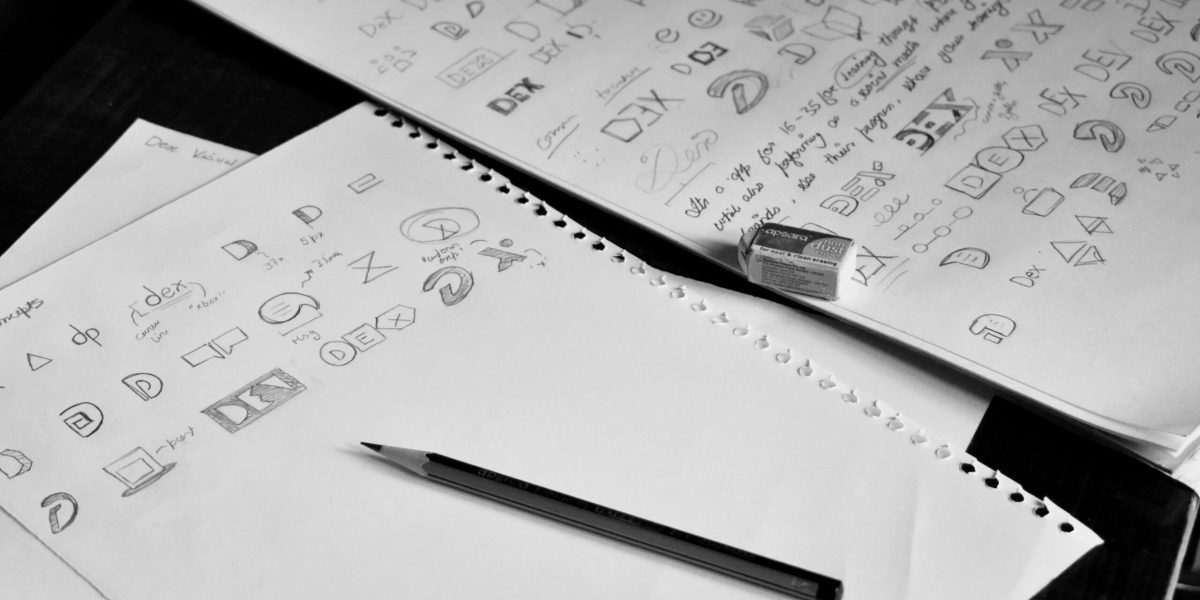
A logo is often the first handshake with your brand. It sits on storefront signs, website headers, invoices, truck doors, social posts, and uniforms. When it’s done right, logo design helps people spot you fast, trust you sooner, and remember you later.
Still, a logo can’t carry a weak offer. It won’t fix slow service, unclear pricing, or a confusing message. What it can do is give your business a steady face, so every ad, email, and sales call feels like it comes from the same place.
This guide breaks down what a logo must do, a process that prevents expensive rework, and simple style choices that hold up everywhere your brand shows up.
What a good logo needs to do (and what it should never try to do)
A logo has one main job: identify you quickly. Everything else is secondary. If your mark tries to tell your whole story, it usually ends up saying nothing at all.
Think of a logo like a road sign. It doesn’t explain the full route. It gives you a clear, confident signal, so you can keep moving.
Here are a few checkpoints worth remembering:
- Recognizable at a glance
- Readable at small sizes
- Flexible across formats and backgrounds
- Consistent with your brand tone (not every trend)
A logo isn’t a brochure. If you need to “explain” it, simplify it.
Be easy to recognize in one glance
Recognition comes from simplicity and a shape people can spot fast. Strong logos use clean forms, clear spacing, and contrast that holds up on a sunny day or a dim phone screen.
In real life, nobody studies your logo in perfect conditions. They see it while driving, scrolling, or walking past your building. That’s why distinct silhouettes matter. A unique outline sticks, even when the details blur.
Busy detail is the most common mistake. For example, a logo might look impressive on a desktop mockup, with thin lines, tiny icons, and a tagline. Then it gets used as a social avatar, shrinks to the size of a dime, and the “impressive” parts vanish. What’s left is a gray smudge and a name nobody can read.
A simple mark feels brave because it leaves no place to hide. That’s also why it works.
Work everywhere you place it
A logo should behave like a good tool, not a fragile ornament. You’ll need versions that fit different spaces and printing limits, without losing the brand.
Plan for these from the start:
- A one-color logo for stamps, embroidery, and budget printing
- A reversed version (light logo on dark backgrounds)
- Horizontal and stacked layouts for wide headers and tight spaces
- Clean edges and legible type on both dark and light surfaces
Accessibility matters here too. Clear letterforms help everyone, including people with low vision. Strong contrast also improves readability on screens, signs, and printed pieces. If the logo relies on faint colors or hairline strokes, it’ll fail the moment it leaves the design file.
A practical logo design process that avoids expensive do-overs
Most logo headaches come from one problem: people start designing before they agree on what they’re building. Then the team argues about taste, not goals. Revisions drag on, deadlines slip, and the “final” files still don’t work on a truck or a hat.
A clean process keeps everyone calm because it sets checkpoints. It also turns feedback into something useful, instead of a long thread of “make it pop.”
Here’s a repeatable flow that fits busy owners and marketing directors: brand basics, quick exploration, tight refinement, then real-world testing, then final files.
The fastest approvals happen when you decide what success looks like before the first concept appears.
Start with brand basics before you open a design tool
Before any sketch, define the few inputs that guide the work. A designer can’t hit the target if nobody describes it.
Share these basics:
- Audience: Who you want more of, and what they care about
- Positioning: Why someone chooses you over the next option
- Tone: Friendly, premium, bold, traditional, playful (pick 2 to 3)
- Competitors: A short list, plus what to avoid copying
- Top uses: Where the logo will appear most (signs, vehicles, web, uniforms)
- Must-keep items: If anything is non-negotiable, say it now
For marketing directors, alignment is half the work. Name the approvers early, and set one definition of “done.” Otherwise, feedback turns into a tug-of-war between departments. If you’re also tightening messaging across channels, the guidance pairs well with logo decisions.
Sketch, refine, then test in real situations
Start messy on purpose. Quick sketches explore shape and idea without getting stuck on polish. After that, pick 2 to 3 strong directions and refine them. Fewer options mean better thinking, and faster decisions.
Next, test the finalists where your logo must live, not where it looks best:
- Website header
- Social avatar
- Business card
- Vehicle door
- Storefront sign
A quick testing checklist keeps opinions grounded:
- Print it at 2 inches wide and check readability
- Shrink it to favicon size and see what survives
- View it in grayscale to confirm contrast
- Do a recall test: look for 3 seconds, look away, describe it
If the mark fails any of these, adjust the design, not the excuse. Also, confirm how it fits into your website layout, since headers, menus, and mobile breakpoints can expose weak spacing. If your website is due for an update, shows what to consider on the web side.
Choosing the right logo style, colors, and fonts for your brand
Style choices should support how people encounter your name. A restaurant sign on a busy road has different needs than a B2B firm selling through referrals. The best choice isn’t the trendiest one, it’s the one that stays clear and consistent.
Keep decisions simple. Pick a logo type that fits your name, then select colors and fonts that stay readable across print and screens.
Pick a logo type that matches how people will see your name
Most logos fall into a few buckets:
- Wordmark: Your name in a custom type style. Great when the name needs to be remembered.
- Lettermark: Initials (think of long business names). Works best with strong typography.
- Symbol: An icon without the name. This usually fits brands with high recognition already.
- Combination mark: Name plus symbol. Flexible for most small and mid-size businesses.
A simple rule of thumb helps: if your name is new, hard to pronounce, or easy to confuse, lean toward a clear wordmark or combination mark. As recognition grows, you can rely more on the symbol.
Use color and type on purpose, not just because it looks cool
Color should help people spot you fast. Start with one or two primary colors, then add neutrals (black, white, gray) for balance. Too many shades create noise and make your brand harder to repeat accurately.
Color meaning matters a little, but clarity matters more. Blue can feel steady, red can feel bold, green can feel natural, yet none of that helps if your contrast is weak or your print results vary.
Type choices carry just as much weight. Pick fonts that stay readable at small sizes, and confirm licensing so you can use them in ads and packaging without issues. Small custom tweaks, like spacing, a unique cut on a letter, or a refined curve, can make the logo feel owned instead of rented.
Plan the one-color version from day one. If it looks good in black and white, it’ll handle almost anything.
Take a look at what you have
Logo design works best when you treat it like a working asset, not wall art. First, give the logo a clear job: fast recognition and easy recall. Next, follow a process that starts with brand basics, then tests the design in real places before final files. Finally, choose a style, color palette, and type that stay readable and consistent across every channel.
Your next step is simple: run your current logo through the small-size, grayscale, and quick recall tests. Then brief a designer with the brand basics and approval plan. Less guesswork leads to fewer revisions, and a logo your team can use with confidence.