
If your phone isn’t ringing, patience feels expensive. Yet paying for every lead can feel like renting your future.
In 2026, the old SEO vs PPC debate is less about picking a winner and more about matching the channel to the job. Local businesses now compete inside Google Ads, Local Services Ads, Google Business Profile results, AI Overviews, and zero-click search behavior.
The smart move depends on speed, budget, competition, and what a qualified lead is worth in your market.
Key Takeaways
- PPC fills a pipeline fast, while SEO builds a lower-cost lead source over time.
- Local businesses need visibility beyond rankings, including Google Business Profile, reviews, and AI-generated answers.
- Local Services Ads often beat standard search ads for eligible home services, but they offer less control.
- The best 2026 plan often combines paid search for immediate data and organic search for long-term growth.
Local lead generation looks different in 2026
Local search no longer sends traffic in a straight line from Google to your website. Many prospects now see an AI summary, a map result, a paid placement, or a Local Services Ad before they ever reach your site.
Current 2026 reporting shows AI Overviews appearing in a large share of local searches, and zero-click behavior keeps growing. At the same time, 35% of consumers already use ChatGPT or Gemini to look for local services, which means your reputation now travels across more surfaces than your own website.
Google Business Profile has become the front door for many local companies. Photos, reviews, service categories, Q&A activity, hours, and service-area details often shape the first impression before a user clicks anything. In many searches, paid units also take more screen space than they used to, which squeezes organic visibility lower on the page.
That matters because local buying intent isn’t all the same. A homeowner with a burst pipe wants a phone number now. A dental patient comparing Invisalign options may read reviews, study financing, and visit several pages first. A law firm prospect might click an ad, return through organic search, and call a week later.
So the real question isn’t which channel sounds better in a meeting. It’s which channel fits the way your customers search, compare, and act in your city.
SEO vs PPC: speed, cost, and staying power
SEO and PPC solve different timing problems. Paid search can put you in front of buyers within 48 to 72 hours. Organic search usually needs 3 to 12 months before it compounds.
Recent 2026 US benchmarks put average Google Ads CPC at $5.42 and average cost per lead at $66.69. Those averages hide big swings by industry, though. Legal leads can cost far more, while some service categories close faster and cheaper.
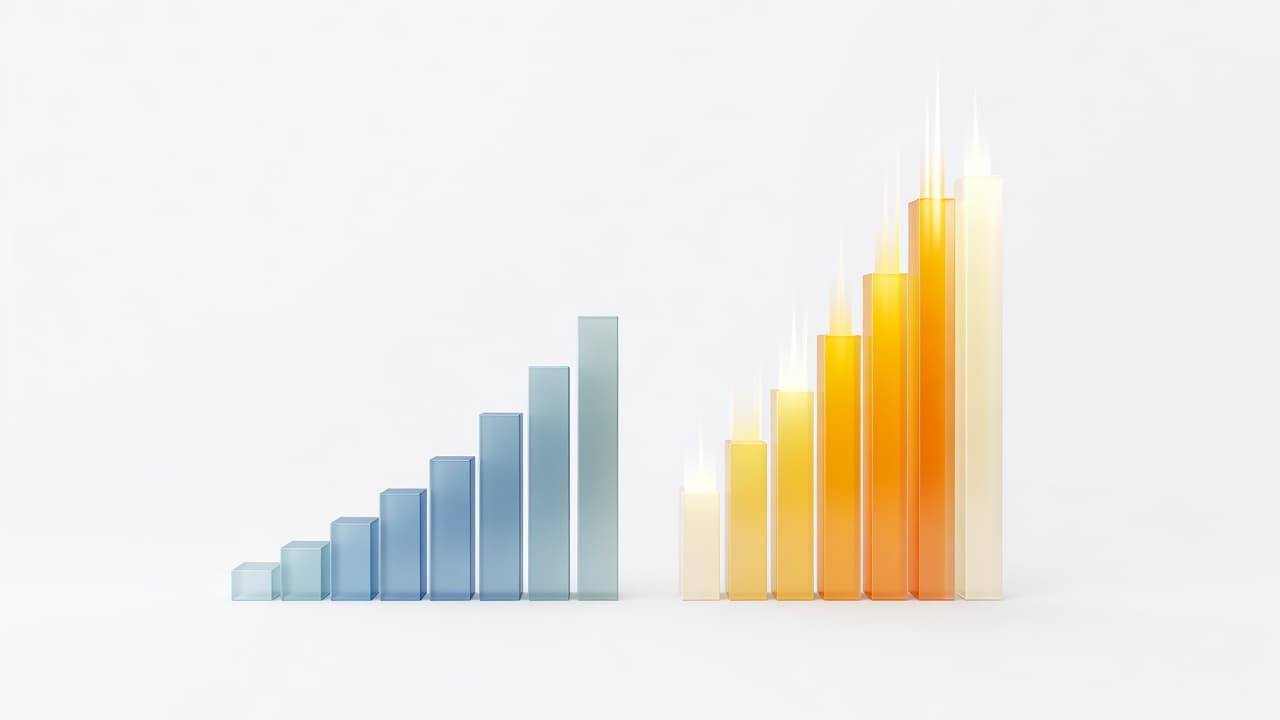
This side-by-side view makes the tradeoff easier to see:
| Channel | Typical speed | Cost model | Best fit | Main drawback |
|---|---|---|---|---|
| SEO | 3 to 12 months | No cost per click | Long-term local demand, map visibility, service-area coverage | Slower ramp |
| Google Search Ads | 48 to 72 hours | Pay per click | Fast testing, seasonal pushes, new markets | Costs can climb fast |
| Local Services Ads | Fast | Pay per lead | Eligible service businesses with strong reviews | Less control and limited eligibility |
For many home service companies, Local Services Ads deserve their own lane in this discussion. Current 2026 home services data shows LSAs averaging about $53 per lead, compared with roughly $104 blended for paid search and about $149 for non-branded paid search. They also tend to convert at 2 to 4 times the rate of standard PPC for eligible categories because the user sees reviews and the Google Guaranteed badge before reaching out.
Paid search buys speed. SEO compounds what that speed teaches you.
The strongest local programs use both. A broader 2026 SEO and PPC guide reaches the same conclusion: paid campaigns validate demand quickly, while organic search lowers dependence on paid traffic once proven terms start ranking.
When local SEO earns better leads
SEO usually wins when your service area is stable, your market isn’t purely emergency-driven, and you can think in quarters instead of days. That’s why dentists, family law firms, cosmetic practices, remodelers, and multi-location service companies often benefit from building organic visibility early.
A good local SEO program in 2026 is more than title tags and backlinks. It includes Google Business Profile optimization, location or service-area pages, review generation, FAQ content, consistent NAP data, LocalBusiness schema, and pages that answer real local questions in direct language. If your site buries the answer halfway down the page, AI systems may skip you.
That shift matters because only a small share of local businesses show up in AI-generated search answers today. Businesses that publish direct, location-aware content have a better chance to earn those mentions, even when users don’t click through in the traditional way.
For a roofing company, that might mean separate pages for roof repair, storm damage, and inspections in each priority town. For a dental group, it could mean clear pages for implants, emergency visits, pediatric care, and insurance questions. For a law office, it often means building pages around case type, jurisdiction, and local proof of experience.
Strong organic visibility also supports trust. People compare reviews, look for before-and-after photos, scan staff bios, and check whether a business looks established. That’s why local SEO strategies work best when they’re tied to the whole customer journey, not only rankings.
Still, SEO has a cash-flow problem at the start. If you need leads this month, organic search alone may move too slowly. But if you’re tired of paying for every click forever, it’s the channel that can turn last year’s work into this year’s pipeline.
When PPC is the smarter local move
PPC is the better answer when urgency beats patience. New HVAC companies, storm-response roofers, emergency plumbers, and contractors opening a new service area often can’t wait six months for traction.
Google Search Ads give you control. You can target exact services, zip codes, hours, devices, and match types. You can pause weak offers, add negative keywords, and push budget into the neighborhoods that produce booked jobs. That makes paid search especially useful for testing demand before you invest in long-form organic content.
Local Services Ads work differently. They sit above standard search ads in many local results, use a pay-per-lead model, and lean heavily on reviews, responsiveness, and profile completeness. For plumbers, locksmiths, electricians, and HVAC companies, that often makes LSAs the fastest path to qualified calls.
The control tradeoff is real, though. Search Ads let you shape the query path. LSAs don’t give you keyword-level control, and not every local industry qualifies. Legal, dental, and many professional services still rely more on standard Google Ads when they need speed.
Competition level changes the math. In legal search, clicks can be expensive, but one signed case may cover the spend many times over. In plumbing, a cheap lead isn’t useful if it comes from outside your service area or after hours when nobody answers. In other words, intent matters more than volume.
A recent Texas comparison of SEO and PPC for local businesses shows the same local pattern seen nationwide: paid search is strongest when a business needs immediate coverage, while organic search pays back over a longer horizon.
Traffic doesn’t matter if the site doesn’t convert
A weak site can make both channels look worse than they are. If the landing page feels slow, thin, outdated, or confusing, your click cost rises and your organic traffic leaks out the side.
This is where Website design, branding, and conversion strategy meet. A local business site needs fast load times, mobile-first layouts, obvious call buttons, local proof, real photos, current service details, and forms that don’t ask for too much. If your ad promises same-day AC repair, the landing page should show that promise near the top, not hide it in paragraph six.
The same rule applies to SEO. Pages that rank but don’t convert still waste money because you paid for them in time, content, and oversight. Clean expert website design services support both paid and organic lead generation because they reduce friction after the click.
Then there’s website maintenance. Outdated hours, broken forms, expired staff bios, missing service pages, and slow plugins create trust gaps. In 2026, stale information also hurts AI and local search visibility because Google pulls heavily from business profiles, reviews, and site content to assemble local answers.
Local marketing is rarely a channel problem alone. Often, it’s a conversion problem wearing a channel mask.
First-party tracking now decides which channel is profitable
Attribution used to be fuzzy and annoying. Now it’s a budget issue.
When AI Overviews absorb clicks and people call straight from a profile or ad, first-party tracking becomes the only way to see which channel produced revenue. You need to track calls, forms, chats, booked estimates, closed jobs, and customer value by source. That means UTM-tagged links, call tracking, CRM integration, and offline conversion uploads back into Google Ads.
For PPC, first-party data tells you which keywords lead to actual jobs, not only form fills. For SEO, it shows which service pages and locations drive calls, direction requests, and revenue, even when the user doesn’t follow a clean path.
If you can’t trace a lead back to source and then to revenue, you’re budgeting by feel.
This is where many local teams go wrong. They compare SEO and PPC using clicks, impressions, or raw lead count. Those numbers don’t tell you whether a lead became a cleaning appointment, a roof replacement, or a retained legal client. Blended reporting does.
Over 18 to 24 months, many businesses see blended cost per lead fall as organic traffic takes a larger share of proven search demand. A recent lead generation comparison for 2025 and 2026 reflects that longer-term pattern. Paid search finds demand fast, while SEO makes future acquisition less expensive.
A clean site structure helps here too, because tracking is easier when service pages, forms, and internal paths are organized well. The 2026 WordPress website guide is a useful reference if your current site makes reporting harder than it should be.
Which channel fits your business right now
The best answer changes by business model, ticket size, and urgency. This quick view helps frame the decision:
| Business scenario | Better first move | Why |
|---|---|---|
| New plumbing or HVAC company | PPC and LSAs | Fast calls, fast data, immediate service-area coverage |
| Established dental practice | SEO, with branded ads | Patients research, compare, and revisit before booking |
| Storm-driven roofing demand | PPC and LSAs now, SEO next | Urgent intent peaks fast, then organic pages support recovery |
| Personal injury or family law firm | Both | High-value cases justify paid search, while organic trust matters |
| Multi-location home service brand | Both | Needs local coverage now and lower acquisition cost later |
| Budget-limited local business with time | SEO first | Slower start, better long-term efficiency |
If you’re a roofer, plumber, or HVAC company with review strength and available staff, LSAs plus search ads often deserve first call. If you’re a dentist or attorney building trust in a competitive metro, SEO usually needs to start earlier because authority, content depth, and review quality shape the sale long before the lead form arrives.
Most established local brands should not force a false choice. Run paid search where speed matters, where you need to test offers, or where rankings are still weak. Build SEO where demand is repeatable, service areas stay stable, and you want lower acquisition cost next year than you have today.
The combination works best when both channels share one playbook. Paid campaigns reveal which keywords, neighborhoods, and offers convert. SEO then builds durable visibility around those winners. Meanwhile, your Google Business Profile, reviews, landing pages, and first-party data support both sides.
My final thoughts
The winner in local lead generation depends on your clock. PPC fills the calendar fast. SEO lowers your dependence on paid clicks over time.
In 2026, local search rewards businesses that look trustworthy everywhere a prospect checks, from Google Business Profile to AI summaries to the website itself. Strong reviews, accurate service information, smart tracking, and a site that converts matter as much as the channel mix.
The best local marketing plans buy speed where speed pays, then build organic visibility that keeps producing after the ad spend cools off.